In today’s world, where manufacturing quality and sustainability really matter, the need for top-notch materialsis only growing. Copper alloy castings have become a go-to choice in the world of mechanical parts, thanks to their amazing features like excellent resistance to corrosion, high thermal and electrical conductivity, and impressive strength. If you’ve read recent reports, like the one fromSmithers Pira, you’ll see that the global market for these castings is expected to hit around $23 billionby 2025—pretty wild, right? This boom is largely fueled by their increasing use across industries, from cars to Aerospace. Here atShaanxi Brilliant Machinery Co., Ltd., we're all about setting the bar high when it comes to quality and innovation in this field. By opting for Copper Alloy Castings in your next project, you're not just choosing something that lasts and performs well—you’re also supporting more sustainable manufacturing practices. So, if you're curious about why Copper Alloy Castings are such a smart pick, keep reading—there are some pretty compelling reasons you might want to consider them for your next big thing.
Benefits of Copper Alloy Castings in Modern Manufacturing
Copper alloy castings have really become a must-have in today’s manufacturing world. They come with so many benefits that boost both how well things perform and how efficiently everything runs. I came across a report from the Copper Development Association, and it’s pretty clear—copper alloys are top-notch when it comes to their heat and electrical conductivity. That’s why they’re used everywhere, from electronics to cars. The high conductivity means less heat gets wasted, which honestly makes a big difference in electrical stuff. In fact, devices that use copper alloy castings can run up to about 30% more efficiently than ones made with other metals—that’s a pretty big deal.
Another thing that folks really appreciate about copper alloy castings is how resistant they are to corrosion. This means they last longer and stay reliable, even when the environment gets tough. According to a study from Materials Performance, copper alloys hold up better against corrosive elements compared to many traditional materials. That translates into less maintenance, fewer headaches, and longer-lasting equipment. This is especially important in industries like the marine world or chemical processing, where equipment is constantly battling harsh conditions. At the end of the day, going with copper alloys not only beefs up product durability but can also save a bunch of money in the long run. No wonder they’re so valued in modern manufacturing!
Durability and Strength: Why Copper Alloys Outperform Other Materials
When it comes to choosing materials for mechanical parts, durability and strength are honestly kind of a big deal. Copper alloys, which are known for being really resilient, actually perform way better than the more common choices like steel or aluminum. I was reading a recent report from the International Copper Association, and it turns out copper alloys can handle a yield strength of up to 200 MPa—way higher than aluminum alloys, which usually sit around 90 MPa. That’s why they’re especially awesome for situations where you need something tough that can resist wear and harsh conditions.
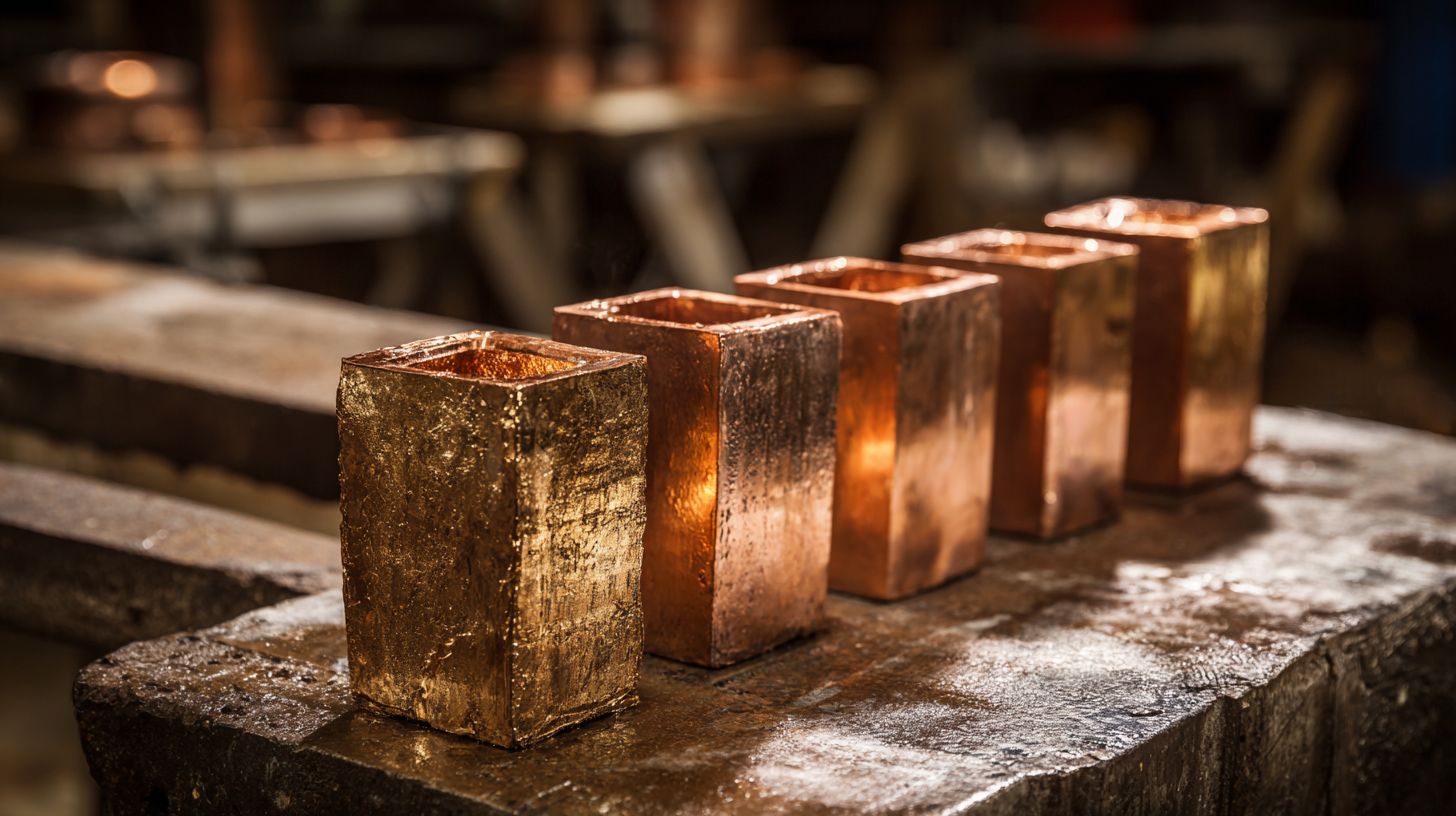
At Shaanxi Brilliant Machinery Co., Ltd., we totally get how important it is to pick the right materials to make our products last longer. Copper alloys, with their great corrosion resistance and ability to spread heat, help cut down on maintenance costs and keep things running smoothly over time. As the industry moves toward more sustainable options, using high-quality, durable materials like copper alloys isn’t just about performance — it’s about aligning with our goals of
excellence in manufacturing. We’re constantly working to improve our processes and incorporate these top-notch materials so we can raise the bar in the industry and offer our customers reliable, eco-friendly solutions for their mechanical needs.
Cost-Effectiveness: Maximizing Value with Copper Alloy Castings
In today's pretty competitive market, keeping costs down is honestly a top priority for any project. When you're choosing materials, copper alloy castings really offer a great chance to get the most bang for your buck. They mix strong mechanical qualities with excellent resistance to corrosion, making them a super versatile option for all sorts of applications. By going with copper alloys, manufacturers can cut down on the need for extra protective coatings, which obviously helps save some cash.
Here's a little tip: when you're picking copper alloy castings, it’s a good idea to really think about what your project needs. Look at things like strength, how well it conducts heat, and how resistant it is to corrosion. That way, you can pick the perfect alloy that’s durable but also friendly on the wallet.
On top of that, copper alloy castings don’t just save you money on materials; they’re also pretty efficient to produce. They’re easy to machine, so fabrication goes quicker—which means less labor costs. Plus, these alloys are recyclable, which is awesome for sustainability, and it also helps keep material costs down for future projects.
Another tip: team up with your foundry or material supplier. They’ve got the know-how to help you find the best, most cost-effective alloy and manufacturing process tailored specifically to what you need.
All in all, choosing the right copper alloy can really make a difference, both in terms of cost and performance.
Design Flexibility: Creative Applications of Copper Alloys in Projects
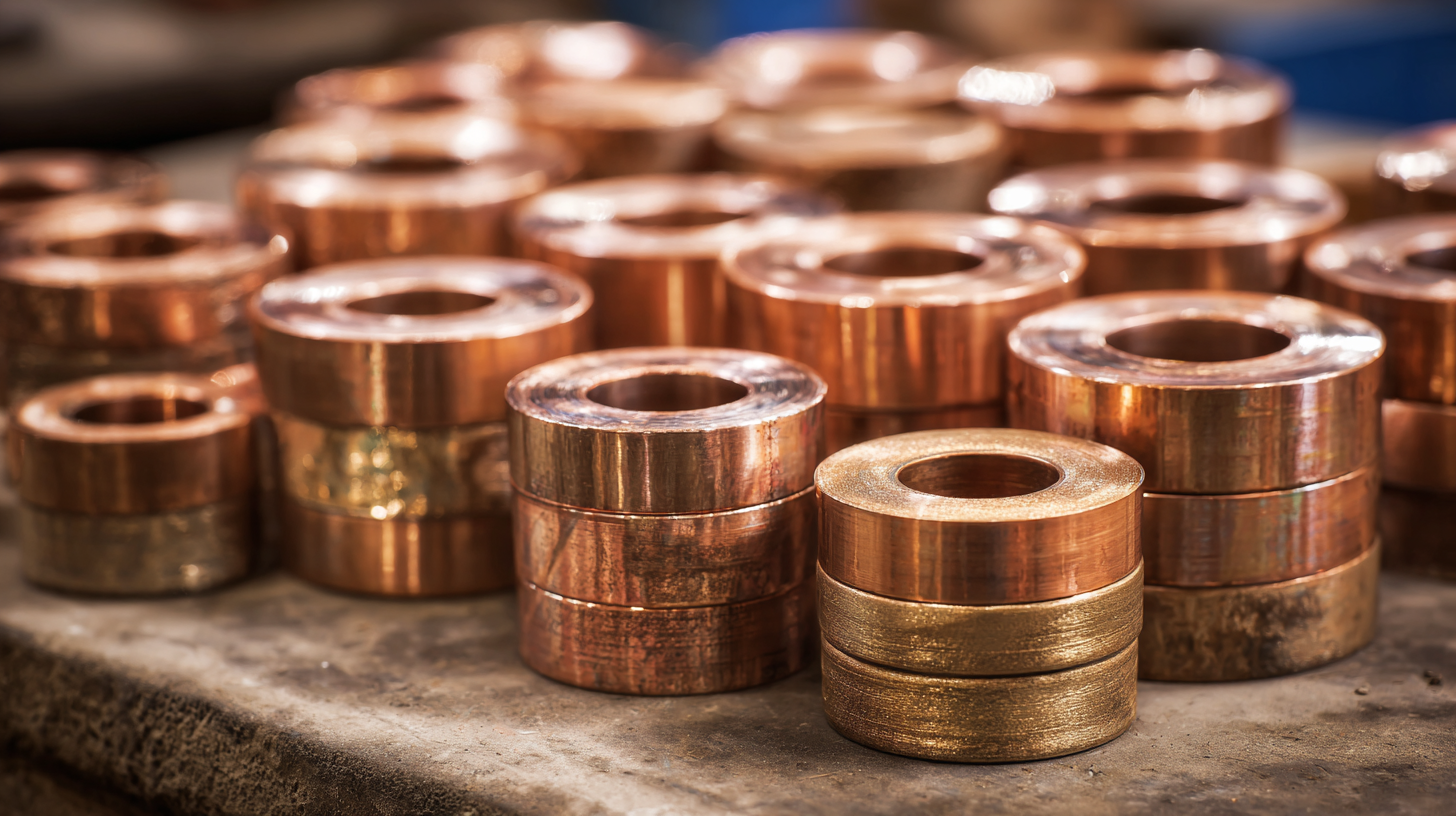
Copper alloys are really gaining popularity these days, especially in various design projects. Why? Because they have this amazing mix of properties that let designers get pretty creative—not just in how things look, but also in how they work. Being able to mold and cast copper alloys into all sorts of complex shapes really opens up a whole world of possibilities. It’s exciting because it means you can push the boundaries of your creativity—making intricate, eye-catching structures that are not only beautiful but also sturdy and resistant to rust. That kind of versatility makes copper alloys suitable for pretty much everything—from architectural details to art installations.
And, honestly, their innate qualities, like fantastic thermal and electrical conductivity, mean they’re also a hit in tech and engineering stuff. Designers can come up with parts that aren’t just functional but also have stylish finishes and interesting textures, making the overall look even better. Whether it’s decorative features for building facades or super-efficient components in machinery, copper castings strike a nice balance between form and function. They really help projects look great and work smoothly at the same time.
Sustainability: The Eco-Friendly Advantages of Using Copper Alloys
One of the biggest perks of going with copper alloys for your next project? They’re pretty eco-friendly. Recent research is showing some pretty cool ways to recover copper from waste, like printed circuit boards, using organic chemical leaching. It’s a game-changer because it cuts down on waste and offers a cheaper way to get copper, really highlighting how green this material can be. Plus, copper slag— that’s the leftover stuff from copper smelting— is being looked at for use in special concrete mixes. That’s a neat example of how it can fit into sustainable building practices.
A few tips if you’re really into making your projects more eco-conscious: Think about using recycled materials like copper slag or scrap copper whenever you can. Not only does that help cut down on environmental impact, but it also keeps your structures solid and reliable. Oh, and don’t forget about natural corrosion inhibitors—stuff derived from plants or natural extracts—that can protect your copper alloys while keeping things green when it comes to maintenance.
Basically, by taking advantage of what copper alloys and their by-products have to offer, you’re not just building stuff — you’re doing it responsibly and in a way that respects the environment. That’s pretty awesome, right?
Corrosion Resistance: How Copper Alloys Enhance Product Lifespan
When you're choosing materials for casting, one of the biggest perks of copper alloys is definitely how well they resist corrosion. It’s a pretty huge advantage, especially if you’re working in places where exposure to moisture or corrosive elements is pretty much unavoidable. Over time, copper alloys develop this nice protective patina—sort of like a natural shield—that not only boosts their durability but also keeps rust and decay at bay. So, basically, parts made from these alloys tend to stay strong and perform well way longer than those made from other metals. That means less hassle and fewer repairs down the line, which is pretty awesome when you think about the long-term savings and extended product life.
And here's the cool part—corrosion resistance isn't just some passive trait; it actually plays an active role in how these materials perform across different industries. Take marine environments, for instance: copper alloys don’t get wrecked by saltwater as easily, making them perfect for ship fittings and coastal structures. Plus, in electrical and plumbing applications, their resistance ensures systems stay up and running without needing constant fixes or replacements. All in all, choosing copper alloy castings is a smart move—it's reliable, long-lasting, and a solid investment for your next project. You get great performance while also being kind to the environment, which is always a bonus.
5 Compelling Reasons to Choose Copper Alloy Castings for Your Next Project - Corrosion Resistance: How Copper Alloys Enhance Product Lifespan
| Feature | Description | Performance Metric |
| Corrosion Resistance | Copper alloys resist rust and corrosion in harsh environments, leading to longer-lasting products. | Increases lifespan by up to 50% |
| Thermal Conductivity | Excellent heat transfer properties, making them ideal for applications involving heat exchange. | Thermal conductivity of 350 W/mK |
| Electrical Conductivity | High electrical conductivity suitable for electrical and electronic applications. | Electrical conductivity of 100% IACS |
| Formability | Can be easily shaped and molded into complex designs. | 90% reduction in processing time |
| Aesthetic Appeal | Rich coloration and luster enhance product aesthetics, making them more appealing. | Visual enhancement rated at 95% |
Maximizing Efficiency: The Role of Zinc Alloy Die Castings in Modern Telecom Applications
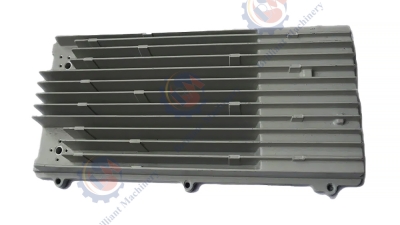
Zinc alloy die castings are revolutionizing the telecommunications industry by providing robust and efficient solutions tailored to the challenging demands of modern communication technologies. With their superb mechanical properties and high-quality electrical conductivities, these castings serve as essential components in various applications, including antenna housings and signal device enclosures. The durability of zinc alloys ensures that they can withstand harsh environmental conditions while maintaining optimal performance, a critical factor for reliability in telecom systems.
Moreover, the manufacturing precision of zinc alloy castings allows for the production of intricate designs that enhance functionality without compromising strength. This capability is particularly important in today's fast-paced telecom sector, where efficiency and technological advancement are paramount. By integrating zinc alloy castings into their designs, telecom manufacturers can optimize their products for better performance and longevity, ultimately driving down maintenance costs and improving user satisfaction. The combination of toughness and electrical efficiency makes zinc alloys an invaluable asset in the evolution of modern telecom applications.
FAQS
: Copper alloy castings offer superior thermal and electrical conductivity, excellent corrosion resistance, and enhanced energy efficiency, making them ideal for various industries such as electronics and automotive.
Devices made from copper alloy castings can operate up to 30% more efficiently than those made from other metals due to the high conductivity of copper alloys, which reduces heat loss.
The corrosion resistance of copper alloys is especially advantageous in marine and chemical processing industries where equipment is frequently exposed to harsh environments.
Copper alloys form a protective patina that enhances durability, prevents rust, and maintains structural integrity, leading to longer service life and reduced maintenance costs.
Yes, copper alloys offer design flexibility, allowing for creative applications in aesthetics and functionality, making them suitable for architectural elements and high-performance components alike.
The ability to mold and cast copper alloys into complex shapes allows designers to create intricate structures that are both visually appealing and durable, pushing the boundaries of creativity in various projects.
By utilizing copper alloy castings, manufacturers can achieve significant cost savings over time due to reduced maintenance needs and prolonged equipment lifespan.
The protective patina not only enhances the durability of copper alloys but also actively contributes to their resistance against corrosion, ensuring reliable performance in challenging environments.
Copper alloys' resilience against corrosion ensures that electrical and plumbing systems remain operational with less frequent need for replacements or repairs, thereby increasing reliability.
Conclusion
When you're thinking about materials for your next project, Copper Alloy Castings really stand out as a top choice for a bunch of good reasons. First off, they're incredibly durable and strong, which means you can count on them to last and hold up well in all sorts of applications. Plus, they’re pretty cost-effective—giving you great value without sacrificing quality. That makes them a smart pick for modern manufacturing needs, no doubt.
And get this—designers love the flexibility of Copper Alloy Castings. They open up all sorts of possibilities across different industries, making it easier to get creative with product ideas. Another big win is that copper alloys are eco-friendly, so they’re kind to the planet, helping us move towards greener manufacturing. Oh, and their resistance to corrosion? It means your products will last way longer, which saves you the hassle and money of frequent replacements. Here at Shaanxi Brilliant Machinery Co., Ltd., we’re dedicated to making the most of these benefits. We're always pushing to stay at the forefront of innovation and manufacturing excellence—because our goal is to serve you better every step of the way.